Planning a beautiful garden does not imply extensive toil and significant spending. Low maintenance landscape design plans provide homeowners, busy professionals, and gardening beginners a eco-friendly way to benefit from appealing outdoor areas with little maintenance. By incorporating drought-tolerant plants, smart water management, and thoughtful hardscape features, you can design an eco-friendly, cost-effective garden that growss year-round.
Introduction to Low Maintenance Landscape Design
Low maintenance landscaping offers numerous benefits, including cutting water consumption, conserving time, and lowering garden upkeep costs. Sustainable landscaping principles support the use of native and drought-resistant plants that thrive in your environment, fostering an eco-friendly garden design. This approach not only protects resources but also establishes resilient and attractive outdoor spaces that call for reduced maintenance throughout the seasons.
By using soil amendment, proper plant selection, and efficient irrigation methods, low maintenance landscapes minimize the need for constant watering, fertilizing, and pruning. Whether you seek a serene retreat or a vibrant yard with seasonal color, these designs balance aesthetics with practical care requirements.
Planning Your Low Maintenance Landscape Design
Effective low maintenance landscaping requires careful planning. Conducting a site analysis allows you to grasp your garden’s climate, soil type, and sun exposure—vital elements for choosing the experienced landscapers in Pasadena suitable plants and design elements. Proper soil amendment enhances structure and fertility, encouraging vigorous plant growth excluding excessive watering or feeding.
Plant zoning is a key garden layout technique that groups plants by similar water and light needs, easing maintenance and enhancing plant health. Applying core garden design principles, such as balance, scale, and repetition, assists in producing a cohesive and visually pleasing landscape that holds manageable over time.
Assessing Climate and Soil Conditions
Understanding your local climate allows you to select drought-tolerant and water-efficient plants that thrive excluding extra irrigation. Techniques like amending soil with organic matter increase moisture retention and nutrient availability, reducing maintenance demands. Using native species adapted to your region further ensures resilience against pests and harsh conditions.
Setting a Budget and Maintenance Goals
Establishing a clear budget assists prioritize cost-effective landscaping strategies, such as selecting long-lasting materials and plants that need minimal inputs. Setting maintenance goals—like reducing watering frequency or limiting pruning—directs your design decisions and secures your landscape remains manageable and affordable over time.
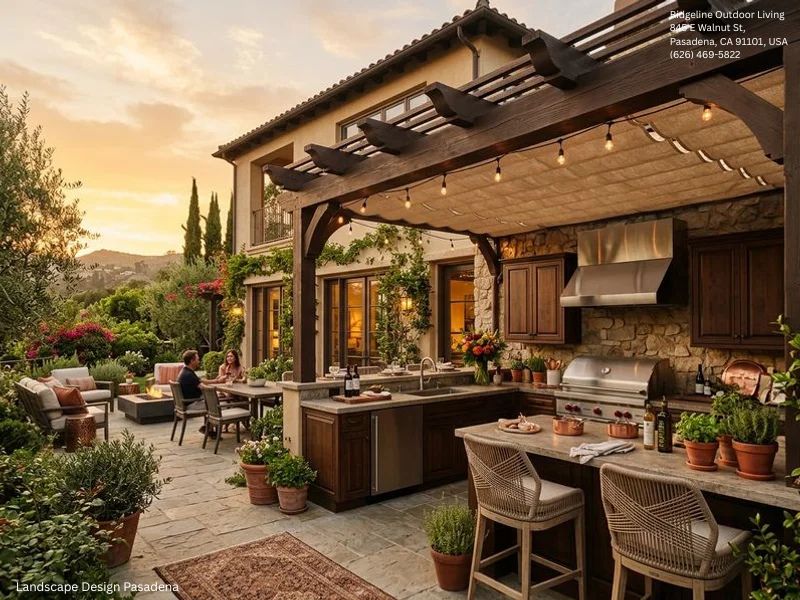
Choosing the Right Plants for Low Maintenance Gardens
Plant selection is essential in low maintenance landscape layouts. Native plants and arid-resistant hardscaping tips succulents need less irrigation and resist diseases organically. Ornamental grasses and evergreen shrubs deliver year-round appearance and vibrancy while minimally cared for. Deer-resistant varieties safeguard your garden from wildlife impact and cut down on replacement necessities.
Shade trees and shade-loving plants form cool, comfortable outdoor environments and can substantially lower irrigation needs. Perennial flowers add seasonal appeal without the need for annual replanting, while bird-friendly plants invite wildlife visitation and ecological balance.
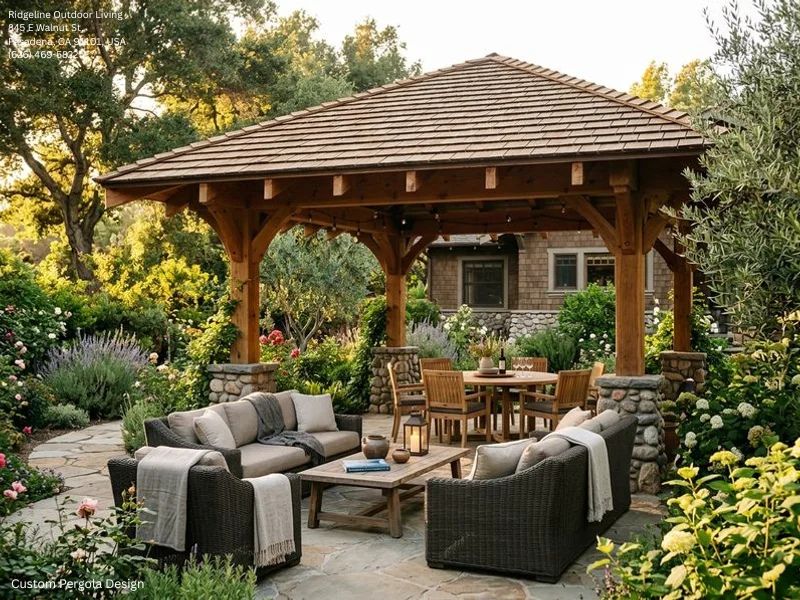
Using Plant Grouping and Plant Zoning Techniques
- Grouping plants with equivalent water and light requirements enhances irrigation efficiency and cuts stress on vegetation.Companion planting aids in decreasing pest problems in an eco-friendly way, cutting down on chemical use and maintenance effort.Zoning your garden into distinct areas based on maintenance needs optimizes care schedules and boosts overall organization.
Hardscape Elements That Reduce Maintenance
Adding hardscape components like permeable pavers and gravel paths decreases water usage and avoids weed growth, lowering upkeep work. Rock gardens and landscape boulders offer visual interest while providing natural drainage solutions. Stone pathways and patio stones form durable surfaces that require little attention.
Edging materials define garden beds tidily, stopping grass invasion and making easier mowing. Outdoor seating areas and garden benches encourage relaxation, while fire pit zones offer versatile gathering spaces that integrate charm with function.
Water Management Strategies
Successful water management is important in low upkeep landscape design. Drip irrigation applies moisture directly to plant roots, minimizing waste and evaporation. Automated sprinkler systems used with irrigation timers help optimize watering schedules, conserving water and cutting down on time.
Rain gardens and bio-retention basins collect runoff naturally, removing pollutants and limiting erosion. Retention basins moreover control excess water flow, contributing to a sustainable and self-sufficient garden ecosystem.
Soil and Mulch Practices for Long-Term Garden Health
Applying mulch types such as bark, wood chips, or stone safeguards the soil surface, preserves moisture, and limits weeds. Adequate garden mulch application around plants enhances healthier root systems and minimizes maintenance chores. Compost fertilizes the soil organically, providing nutrients and supporting beneficial microbes.
Using weed barrier fabrics or landscape fabric beneath mulch layers adds an extra defense against unwanted plants, substantially minimizing weeding time while facilitating air and water penetration for healthy soil conditions.
Lawn Alternatives and Ground Cover Options
Replacing traditional lawns with water-saving turf varieties or ground cover plants reduces irrigation and mowing demands. Popular lawn alternatives consist of gravel beds, decorative stones, or artificial turf, offering durable, clean-looking surfaces that need low care.
Selecting ground cover plants like creeping thyme or clover can introduce greenery while naturally suppressing weeds and withstanding foot traffic, making them excellent choices for pathways and open spaces.
Enhancing Your Landscape with Lighting and Decorative Features
Solar lighting offers energy-efficient illumination that augments safety and ambiance without raising electric bills. Landscape lighting highlights key garden features, increases usable outdoor hours, and improves security.
Including trellis structures and garden art adds personality and vertical interest, while container gardening allows flexible planting options that are low maintenance and interchangeable. These decorative features perfect a low maintenance landscape by blending practicality with aesthetic appeal.
Maintenance Tips for a Low Upkeep Landscape
- Adhere to a pruning schedule designed for slow-growing trees and shrubs to keep shape without excessive cutting.Handle seasonal color using hardy perennial flowers that require minimal deadheading or replanting.Apply organic weed control strategies such as hand weeding, mulching, and using landscape fabric to avoid harmful chemicals.Regularly monitor irrigation systems and modify timings according to seasonal needs to enhance water use.
Ridgeline Outdoor Living
Ridgeline Outdoor Living is a Pasadena-based landscape design-build company serving Greater Los Angeles with custom outdoor living, hardscape, and drought-tolerant landscape solutions. The company specializes in patios, retaining walls, outdoor kitchens, drainage, hillside projects, and turnkey landscape construction, handling projects from design and permitting through final build and warranty.
Address:
845 E Walnut St,
Pasadena,
CA
91101,
United States
Phone: (626) 469-5822
Map: View on Google Maps
Business Hours:
- Monday – Saturday: 8:00 AM – 6:00 PM
- Sunday: Closed
Follow Us: