Well-executed landscape construction paired with a carefully designed irrigation system results in stunning, sustainable outdoor spaces that save water and foster vigorous plant growth. Grasping how these two elements integrate can allow homeowners, contractors, and garden enthusiasts optimize water management, boost plant health, and keep aesthetic appeal throughout their landscapes.
What Is the Role of Landscape Construction in Supporting Optimal Irrigation?
Landscape construction provides the base for efficient irrigation by conditioning the soil, contouring the terrain, and establishing planting beds maximized to enhance water retention and distribution. Proper soil preparation is essential as it affects how water absorbs and is retained in the root zone where plants absorb moisture. Techniques such as aeration and organic matter incorporation aid enhance soil texture and drainage.
Landscape grading provides that water flows gently without collecting or leading to erosion. By creating subtle slopes and terraces, grading guides excess water to drainage systems, protecting irrigation efficiency and landscape features from damage due to water runoff. Additionally, meticulous installation of planting beds limits water loss by focusing irrigation where plants depend on it.
Mulch application has two functions by preserving soil moisture and preventing weed growth, which competes with plants for water. Mulching also aids moderate soil temperature, improving overall plant health. Erosion control measures included in construction avoid soil displacement caused by heavy watering or rainfall, upholding a solid landscape structure that facilitates proper water management.
How Can Irrigation Systems Installed During Landscape Design and Construction?
Including irrigation systems during landscape design and construction allows for flawless water delivery matched with the specific needs of each garden element. Thoughtful planning of irrigation zones coordinated with hardscaping tips the garden layout and plant selection enables precise control over water usage. For example, turf areas may necessitate sprinkler heads that deliver broad coverage, whereas planting beds work better with drip irrigation emitters supplying water directly to the roots.
During construction, underground piping is placed intentionally to harmonize with the landscape architecture, avoiding interference with surface aesthetics while maintaining durability. Irrigation valves control these zones individually, allowing for customized watering schedules based on plant requirements and sun exposure.
Water controllers and timing devices control watering by determining when and how long each zone receives water. This technology boosts water efficiency by preventing water overuse and accounting for weather conditions. Incorporating rain sensors and moisture sensors further refines irrigation scheduling, supplying water only when necessary to preserve ideal soil moisture.
How Does Proper Water Management Enhance Both Landscape Construction and Irrigation Outcomes?
Water management is vital for harmonizing the demands of landscape construction and irrigation to build a sustainable ecosystem. Managing water pressure and flow rate is critical; too much pressure can injure irrigation components and wear away soil, while low pressure limits water distribution efficiency. Proper calibration assures that sprinkler heads, drip emitters, and valves perform smoothly without damaging landscape features.
Utilizing water meters records water usage, find leaks, and optimize irrigation schedules, benefiting water conservation efforts. Installing water filtration systems safeguards irrigation equipment and ensures water quality, especially significant if sourcing from wells or reclaimed water.
Advanced landscape designs commonly employ groundwater recharge techniques and rainwater harvesting. These methods collect and retain rainwater runoff, which can be purified and recycled to enhance irrigation, reducing dependence on municipal water sources and fostering landscape sustainability.
What Are the Benefits of Combining Landscape Construction and Irrigation for Plant Health and Sustainability?
The coordination of landscape construction and irrigation encourages a thriving root zone where plants thrive by obtaining consistent soil moisture suited to their needs. Well-designed planting beds paired with mulch not only support soil moisture retention but also minimize water stress, promoting vigorous plant growth.
Including moisture sensors and rain sensors into irrigation systems facilitates automatic watering schedules, minimizing over-irrigation and conserving precious water resources. This smart irrigation scheduling aligns perfectly with sustainable landscaping goals by improving water efficiency and reducing waste.
From a sustainability perspective, uniting proper soil preparation, mulch application, and efficient irrigation practices minimizes the overall water footprint of a landscape. These efforts safeguard valuable natural resources while increasing landscape aesthetics and longevity.
Which Technologies and Instruments Facilitate the Assembly of Irrigation in Landscape Construction?
Advanced irrigation technology has revolutionized how landscape design build services irrigation systems are integrated in landscape construction projects. Irrigation timers and automated controllers enable exact watering tailored to various plant water needs and seasonal changes, increasing water efficiency.
Backflow preventers are vital safety devices that shield potable water supplies by avoiding contaminated irrigation water from backflowing into drinking water systems. Their inclusion is compulsory in most irrigation designs to maintain safe water distribution.
Innovations such as landscape lighting are often integrated with irrigation systems to elevate nighttime aesthetics and functionality without interfering with water distribution. Rain sensors immediately suspend irrigation cycles during rainfall, protecting water, while moisture sensors supply real-time soil moisture data to modify watering accordingly.
How Can Landscape Contractors Optimize the Coordination Between Construction and Irrigation Systems?
Landscape contractors are essential in aligning construction and irrigation through thorough planning, execution, and ongoing maintenance. Starting during landscape planning, contractors coordinate with irrigation specialists and landscape architects to design garden layouts that facilitate efficient irrigation zones and optimal water use.
Throughout construction, contractors make certain proper installation of underground piping, sprinkler heads, drip emitters, and irrigation valves, accounting for grading, soil conditions, and plant selection. Their expertise helps avoid common issues like improper grading or system failures that weaken irrigation efficiency.
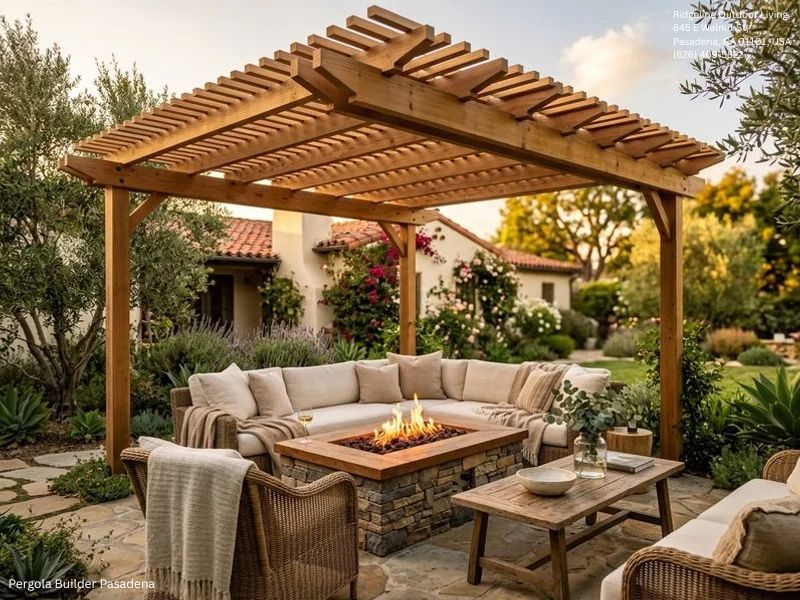
During landscape renovation projects, contractors modernize existing gardens with modern irrigation technologies such as automated controllers and moisture sensors to enhance water management capabilities. Regular landscape maintenance by contractors entails monitoring irrigation system performance, repairing leaks, adjusting schedules, and maintaining soil and turf health to optimize system benefits over time.
How Can Rainwater Harvesting Augment Landscape Construction and Irrigation?
Rainwater harvesting is an sustainable method that collects and stores water runoff, minimizing reliance on traditional water sources. When integrated with landscape drainage systems during construction, it guides excess water into storage tanks or infiltration basins for later use in irrigation, improving water conservation efforts.
This approach not just lowers water utility charges and also aids in replenishing groundwater supplies, encouraging ecological balance. Landscape features for example bioswales and permeable surfaces support the management of water runoff successfully by moderating and purifying water before it moves into storage or the soil.
Incorporating rainwater harvesting into irrigation schedules with automated controllers and rain sensors maximizes efficiency, making sure that landscapes receive supplemental water only when necessary, strengthening overall landscape sustainability.
What Are Usual Challenges When Integrating Irrigation with Landscape Construction and How to Overcome Them?
Many challenges can occur when combining irrigation systems with landscape construction. Improper landscape grading can cause uneven water distribution, causing pooling or excessive runoff, weakening irrigation effectiveness. Addressing this necessitates thorough site analysis and precise grading during the construction phase.
Water pressure issues, such as fluctuations or insufficient flow rate, can reduce sprinkler and drip irrigation performance. Installing pressure regulators and conducting hydraulic evaluations during system design can lessen these problems.
Water runoff and erosion endanger both irrigation efficiency and landscape stability. Implementing erosion control measures like retaining walls, mulching, and vegetation buffers assists in keeping soil integrity and prevents irrigation system damage.
Irrigation system failure may result from poor installation or lack of maintenance. Engaging experienced landscape contractors for installation and scheduling routine inspections guarantees early detection and correction of potential issues, prolonging system life and reliability.
Case Study: Effective Landscape Irrigation Integration for Sustainable Garden Design
One successful project included transforming a residential property into a sustainable garden by closely integrating landscape construction with an advanced irrigation system. The design consisted of carefully graded planting beds, high-quality mulch application, and distinct irrigation zones using drip emitters for shrubs and sprinkler heads for turf areas.
Automated irrigation controllers paired with moisture and rain sensors enhanced watering schedules, notably reducing water consumption while maintaining lush plant health. The installation of a rainwater harvesting system supplemented the irrigation water source, promoting groundwater recharge and cutting utility costs.
This thorough method achieved a pleasing , water-conserving landscape featuring strong environmental stewardship and sustainable sustainability. Close collaboration between landscape contractors and irrigation experts was key to the project's success.
Popular Inquiries (FAQ)
Q1: Why is irrigation planning important during landscape construction?
A: Irrigation planning guarantees water is effectively distributed to plants, avoids water waste, and promotes healthy plant growth by integrating with soil preparation, grading, and plant selection done during landscape construction.
Q2: What are the differences between drip irrigation and sprinkler systems in landscape projects?
A: Drip irrigation applies water directly to the root zone, limiting evaporation and runoff, well-suited for planting beds and shrubs. Sprinkler systems cover larger areas like turf but can be less water-efficient if not properly designed.
Q3: How do moisture sensors improve irrigation efficiency in a constructed landscape?
A: Moisture sensors measure soil moisture levels and change irrigation schedules automated, preventing overwatering and conserving water, leading to healthier plants and reduced water bills.
Q4: Can existing landscapes be retrofitted with modern irrigation systems?
A: Yes, landscape renovations often involve updating irrigation with underground piping, automated controllers, and efficient emitters to boost water distribution and overall landscape health.
Q5: What role does landscape grading play in irrigation effectiveness?
A: Proper grading controls water runoff and creates even distribution, stopping erosion and pooling, which are important for maximizing irrigation efficiency and protecting landscape features.
Final Thoughts
Effectively integrating landscape construction with irrigation systems is crucial to achieving vibrant, sustainable landscapes that improve water efficiency and plant health. From soil preparation and grading to advanced irrigation technologies like automated controllers and moisture sensors, every step aids optimized water management and enhanced landscape aesthetics. Homeowners, contractors, and designers who embrace this holistic approach can create environmentally responsible outdoor spaces that flourish all year while preserving precious water resources. Start planning your landscape irrigation integration now for a greener, healthier garden in the future.

Ridgeline Outdoor Living
Ridgeline Outdoor Living is a Pasadena-based landscape design-build company serving Greater Los Angeles with custom outdoor living, hardscape, and drought-tolerant landscape solutions. The company specializes in patios, retaining walls, outdoor kitchens, drainage, hillside projects, and turnkey landscape construction, handling projects from design and permitting through final build and warranty.
Address:
845 E Walnut St,
Pasadena,
CA
91101,
United States
Phone: (626) 469-5822
Map: View on Google Maps
Business Hours:
- Monday – Saturday: 8:00 AM – 6:00 PM
- Sunday: Closed
Follow Us: